



Running a small business in Texas means competing for attention in a crowded digital marketplace. Whether you operate in Houston, Dallas, Austin, San Antonio, or another Texas city, reaching the right customers online is essential for business growth.
When planning your digital marketing strategy, two popular options often come up: Google Ads and Search Engine Optimization (SEO). Both help businesses appear in Google search results, generate website traffic, and attract potential customers. However, they work differently and deliver results on different timelines.
So, which is better for Texas small businesses: Google Ads or SEO?
The answer depends on your business goals, marketing budget, competition, and how quickly you need leads. In this guide, we will explain the differences between Google Ads and SEO, their benefits, costs, and how a small business can use both to grow online.
What Are Google Ads?
Google Ads is a paid advertising platform that allows businesses to display advertisements on Google Search, YouTube, and other partner websites.
When someone searches for services such as “plumber in Houston” or “digital marketing agency in Texas,” relevant paid advertisements may appear at the top of the search results.
Businesses pay when users interact with their ads, depending on the campaign and bidding strategy. This is commonly known as Pay-Per-Click (PPC) advertising.
Benefits of Google Ads for Texas Small Businesses
- Quick visibility: Your business can appear in search results shortly after a campaign becomes active.
- Targeted advertising: Reach customers based on location, keywords, interests, and search intent.
- Budget control: Set daily budgets and adjust bids according to campaign performance.
- Measurable results: Track clicks, conversions, calls, and other campaign activities.
- Flexible campaigns: Promote seasonal offers, new services, and time-sensitive promotions.
For businesses that need immediate visibility and leads, Google Ads can be an effective marketing channel.
If you want to attract customers through paid campaigns, explore our PPC Services to understand how targeted advertising can support business growth.
What Is SEO?
Search Engine Optimization (SEO) is the process of improving your website so it can appear more prominently in organic search results.
Unlike Google Ads, SEO does not require businesses to pay Google for every organic click. Instead, it focuses on website quality, relevant content, technical performance, search intent, and authority.
For example, if someone searches for “best marketing agency in Texas,” a properly optimized website may appear in the organic search results.
Benefits of SEO for Texas Small Businesses
- Long-term visibility: Strong SEO can help your website attract organic visitors over time.
- Cost-effective traffic: You do not pay for every organic click.
- Local customer reach: Improve visibility for searches related to your city or service area.
- Brand credibility: Helpful content and strong search visibility can build customer trust.
- Consistent lead opportunities: Relevant organic traffic can generate enquiries beyond paid advertising campaigns.
SEO is particularly valuable for businesses looking to build a sustainable online presence.
Learn how our SEO Services can help improve your website visibility, search performance, and organic growth.
Google Ads vs SEO: Key Differences
Google Ads and SEO both help businesses reach potential customers through search engines, but their approaches are different.
Google Ads provides paid visibility, while SEO focuses on earning organic search visibility.
Here are the major differences:
| Factor | Google Ads | SEO |
|---|---|---|
| Traffic type | Paid traffic | Organic traffic |
| Results | Can start quickly | Usually takes time |
| Payment | Pay for ad interactions | No payment per organic click |
| Visibility | While campaigns are active and eligible | Can continue with ongoing optimization |
| Targeting | Keywords, location, audience and more | Keywords, content and search intent |
| Best for | Immediate campaign visibility | Long-term organic growth |
| Sustainability | Depends on advertising budget | Requires ongoing maintenance |
Both strategies can support business growth. The right choice depends on your objectives and available resources.
Which Strategy Generates Leads Faster?
If your business needs leads quickly, Google Ads is generally the faster option.
Once your campaign is approved and active, your advertisements can start appearing for relevant searches. This makes Google Ads useful for businesses launching a new service, promoting an offer, or entering a competitive market.
SEO takes more time because search engines need to discover, crawl, understand, and evaluate your website and its content. Results depend on competition, website condition, content quality, and other factors.
For example, a Texas home service company may use Google Ads to generate enquiries immediately while improving its website’s organic rankings through SEO.
A well-planned strategy can combine both channels to support short-term and long-term lead generation.
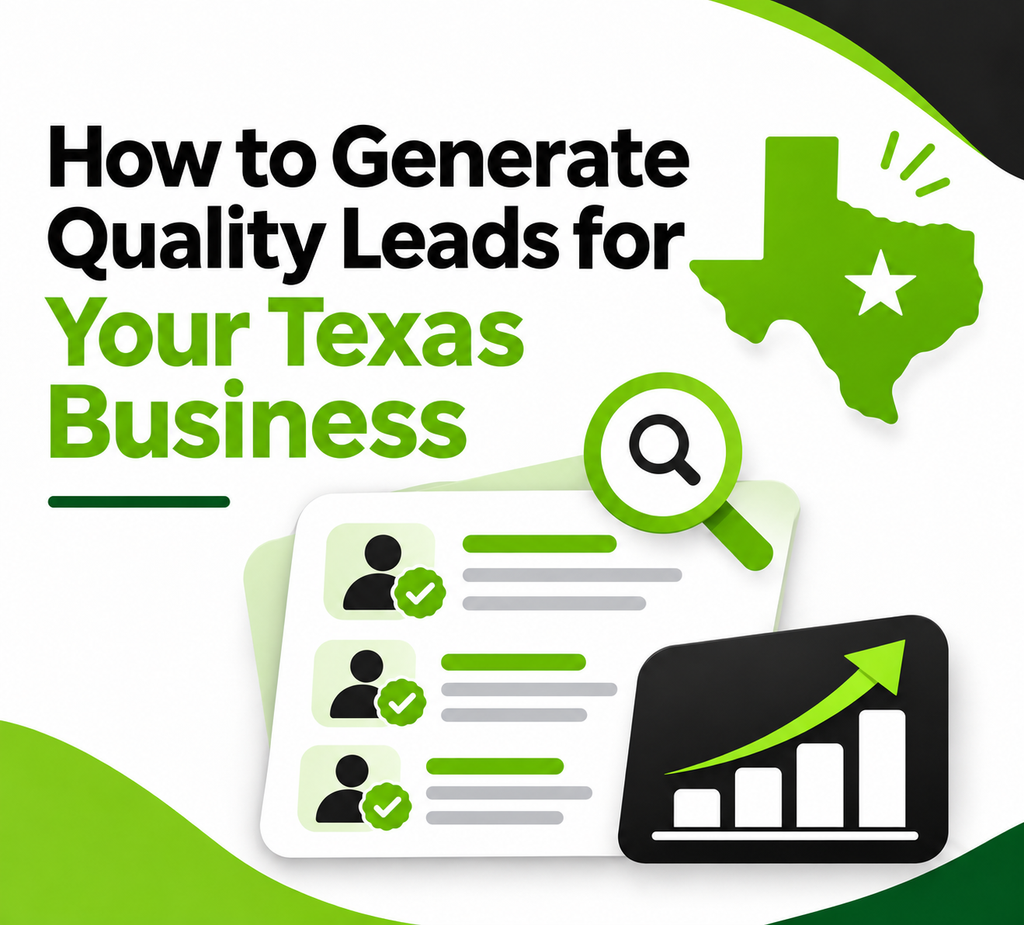
For more practical ideas, read our guide on How to Generate Quality Leads for Your Texas Business.
Which Is More Cost-Effective for Small Businesses?
The cost of Google Ads and SEO depends on your industry, competition, location, and marketing goals.
With Google Ads, businesses pay for advertising interactions. Competitive keywords can have higher costs, and campaigns need regular monitoring to avoid wasting budget.
With SEO, businesses invest in website optimization, content creation, technical improvements, and link-building activities. Although SEO requires ongoing investment, organic clicks do not carry a direct per-click advertising charge.
For small businesses with limited marketing budgets, SEO can become a valuable long-term growth channel. However, businesses that need immediate enquiries may benefit from allocating some budget to Google Ads.
The best approach is to measure the cost per qualified lead rather than focusing only on clicks or website traffic.
Why Local SEO Matters for Texas Small Businesses
Local SEO helps businesses become more visible when nearby customers search for relevant products or services.
For example, potential customers may search for:
- SEO agency in Texas
- Digital marketing agency in Dallas
- Marketing agency in Austin
- Web development company in Houston
- Small business agency in San Antonio
Optimizing your Google Business Profile, maintaining consistent business information, collecting genuine customer reviews, creating location-relevant website content, and improving local search signals can support local visibility.
A local business should also make its contact details, service areas, business hours, and service information easy to find.
If you want to strengthen your overall online presence, explore our Digital Marketing Services.
When Should Texas Small Businesses Choose Google Ads?
Google Ads may be the right choice when:
- You need leads or enquiries quickly.
- You are launching a new business or service.
- You want to promote a limited-time offer.
- You are targeting specific locations in Texas.
- You want to test which keywords attract potential customers.
- Your website is new and has limited organic visibility.
However, running advertisements alone does not guarantee sales. Your landing pages, offers, website experience, and follow-up process also influence conversions.
When Should Texas Small Businesses Invest in SEO?
SEO may be the better long-term investment when:
- You want consistent organic website traffic.
- You want to improve your Google search visibility.
- You want to build authority in your industry.
- You want to attract customers actively searching for your services.
- You want to reduce long-term dependence on paid advertising.
- You want to grow your business across multiple Texas locations.
SEO is not a one-time activity. It requires regular content updates, technical improvements, performance monitoring, and ongoing optimization.
Can Businesses Use Google Ads and SEO Together?
Yes. In fact, combining Google Ads and SEO can create a more balanced digital marketing strategy.
Instead of treating them as competing channels, businesses can use both to reach potential customers at different stages of their buying journey.
For example:
- Use Google Ads for immediate visibility: Promote high-intent services and reach customers actively searching for solutions.
- Invest in SEO for long-term growth: Optimize service pages, publish helpful blogs, and improve website performance.
- Analyze keyword performance: Use paid campaign data to understand which search terms generate valuable enquiries.
- Improve landing pages: Create relevant pages with clear messaging, strong calls to action, and simple enquiry forms.
- Track conversions: Monitor calls, form submissions, qualified leads, and actual sales.
This approach helps businesses make informed marketing decisions instead of depending on only one channel.
Why Choose the Right Digital Marketing Agency in Texas?
Choosing the right marketing partner can make a significant difference in your online growth.
A reliable Digital Marketing Agency should understand your business goals, target audience, industry competition, and local market.
Before hiring a marketing agency, consider the following:
- Experience with SEO and paid advertising.
- Understanding of local Texas search markets.
- Transparent reporting and performance tracking.
- Clear communication and realistic expectations.
- A strategy focused on qualified leads and conversions.
- Knowledge of website development and user experience.
A good small business agency should focus on more than increasing website traffic. It should help turn relevant visitors into enquiries and customers.
How NeoRipples Helps Texas Businesses Grow Online
NeoRipples helps businesses strengthen their digital presence through strategic marketing, search optimization, and website solutions.
Our approach focuses on understanding your business objectives and building a marketing strategy around your target audience.
Our services include:
- SEO Services: Improve organic search visibility through on-page, off-page, technical, and local SEO.
- PPC Services: Reach potential customers through targeted paid advertising campaigns.
- Digital Marketing: Build a comprehensive online marketing strategy for business growth.
- Website Development: Create user-friendly websites designed to support business goals.
Explore our Website Development Services to learn how a well-structured website can support your digital marketing efforts.
The Future of SEO: AI Search and AEO
Search is changing as users increasingly interact with AI-powered platforms and conversational search experiences.
People are no longer searching only with short keywords. They are also asking detailed questions through AI assistants and search tools.
This creates new opportunities for businesses to make their information easier to understand, discover, and reference.
Answer Engine Optimization (AEO) focuses on structuring helpful, direct, and relevant content so search systems can better understand and potentially surface it in response to user questions.
Businesses can prepare by:
- Publishing accurate and helpful content.
- Answering customer questions clearly.
- Using relevant headings and FAQs.
- Maintaining accurate business information.
- Improving website structure and technical SEO.
- Demonstrating expertise and trustworthiness.
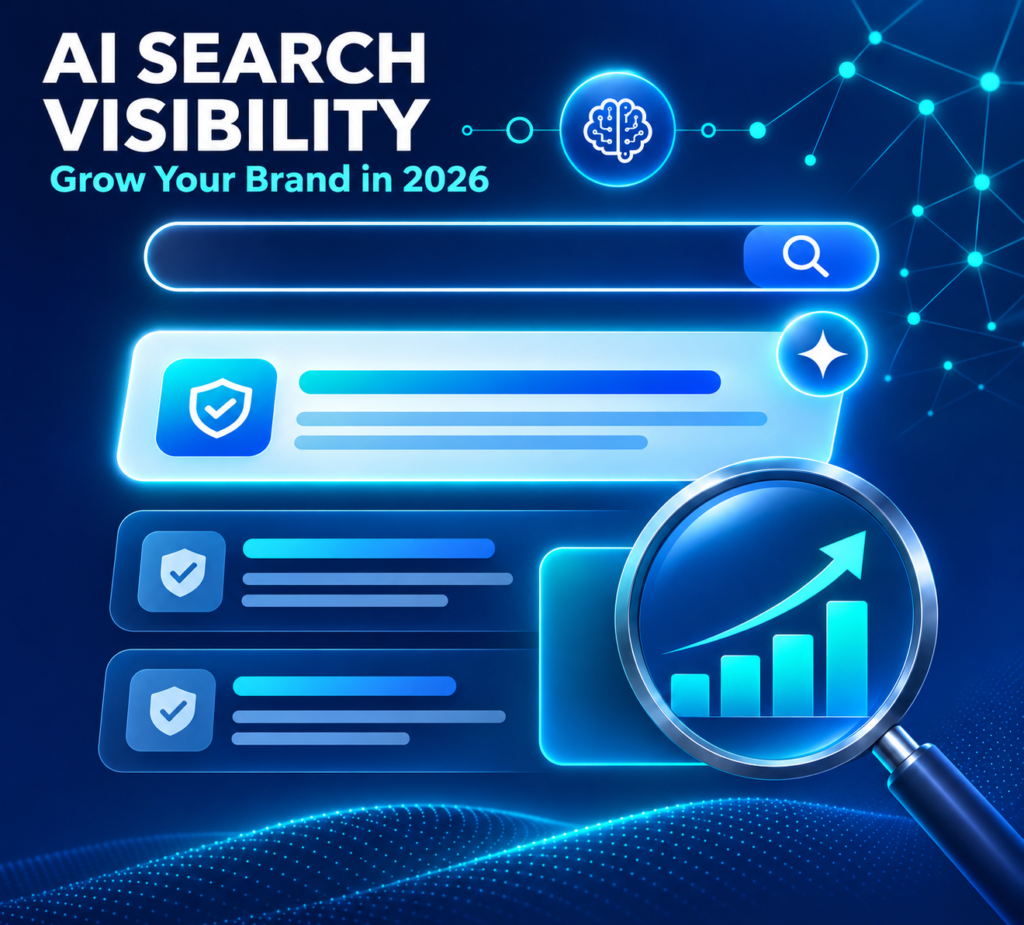
Explore our guide on What Is AEO and How to Win in the Age of AI Search? to understand how businesses can adapt to changing search experiences.
Frequently Asked Questions (FAQs)
1. Is SEO better than Google Ads for small businesses?
SEO is often better for long-term organic visibility, while Google Ads can generate visibility more quickly. The best option depends on your business goals, budget, and lead generation requirements.
2. How long does SEO take to show results?
SEO timelines vary depending on website condition, competition, content quality, and the keywords being targeted. Meaningful improvements may take several months, and results are not guaranteed.
3. Are Google Ads worth it for Texas small businesses?
Google Ads can be valuable for Texas businesses that want to reach customers quickly, target specific locations, and promote high-intent services. Success depends on campaign setup, budget, landing pages, and conversion tracking.
4. Can I run Google Ads without SEO?
Yes. You can run Google Ads without investing in SEO. However, SEO can help build long-term organic visibility and reduce dependence on paid traffic.
5. How much should a small business spend on digital marketing?
There is no fixed budget for every business. Your investment should depend on your industry, competition, target locations, business goals, and expected return.
6. What is the difference between SEO and PPC?
SEO focuses on improving organic search visibility, while PPC involves paying for advertising clicks or interactions. Both can help businesses attract potential customers.
7. Why is local SEO important in Texas?
Local SEO helps businesses appear in relevant location-based searches. It can help customers discover nearby services in cities such as Dallas, Houston, Austin, and San Antonio.
8. How do I choose a digital marketing agency in Texas?
Look for an agency with relevant experience, transparent reporting, clear communication, and a strategy focused on your business objectives and qualified leads.
9. Can Google Ads and SEO improve website traffic?
Yes. Google Ads can bring paid visitors, while SEO can attract organic visitors. Using both strategically can expand your website’s reach.
10. What is AEO in digital marketing?
Answer Engine Optimization (AEO) is the practice of creating and structuring content to provide clear answers to user questions and improve its potential visibility across answer-based search experiences.
11. Does a new website need SEO?
Yes. SEO helps search engines discover, understand, and evaluate a new website. Starting with technical SEO, keyword research, useful content, and proper website structure can establish a strong foundation.
12. Which marketing strategy is best for generating quality leads?
A combination of SEO, Google Ads, conversion-focused landing pages, and accurate tracking can help businesses attract and convert relevant prospects. The right mix depends on the business and its target audience.
Final Thoughts
Google Ads and SEO both play important roles in digital marketing. Google Ads can help Texas small businesses gain faster visibility and attract potential customers, while SEO supports long-term organic growth and online credibility.
If your business needs immediate enquiries, consider Google Ads. If you want to build sustainable search visibility, invest in SEO. For a balanced approach, combine both strategies and regularly measure the quality of leads they generate.
The goal should not simply be to increase website traffic. It should be to reach the right audience, build trust, and turn visitors into customers.
Ready to grow your business online? Connect with NeoRipples to discuss a digital marketing strategy that supports your business goals.